Wooden Pallets for Shipping: A Comprehensive Guide
In the world of logistics and shipping, wooden pallets frequently work as unrecognized heroes. They are crucial in the efficient transportation and storage of products, offering a stable and reliable platform for a variety of items. This article will explore the complexities of wooden pallets, exploring their types, benefits, upkeep, and regularly asked concerns, while likewise offering insights through tables and lists to boost understanding.
What are Wooden Pallets?
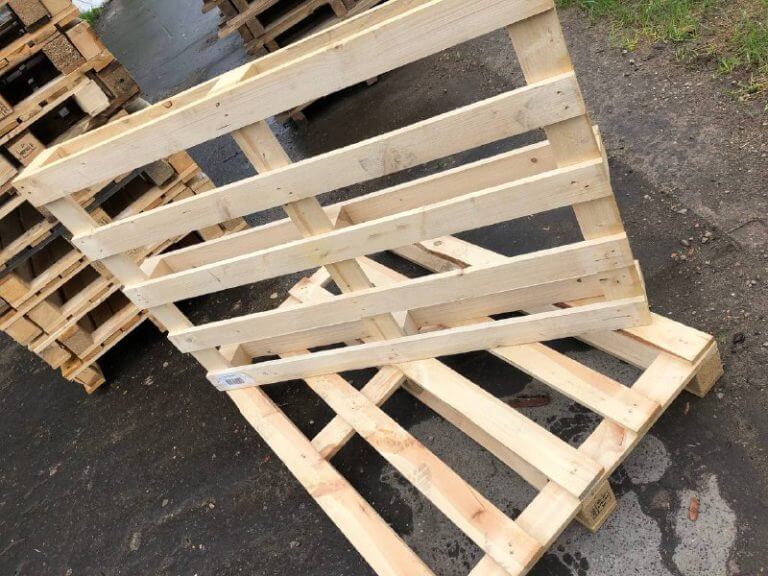
Wooden pallets are flat structures normally made from lumber that are used for carrying big quantities of goods. They assist in the safe movement of products, whether in warehouses or during transit. Their design permits for the easy stacking and dealing with of items, making them a cornerstone of contemporary supply chain management.
Types of Wooden Pallets
There are a number of types of wooden pallets, each developed for particular applications. The following table summarizes the most typical types:
| Type of Wooden Pallet | Description | Best Uses |
|---|---|---|
| Block Pallet | Built with blocks of wood for included stability | Heavy loads and varied items |
| Stringer Pallet | Made with parallel boards (stringers) that support the deck | Light-weight goods and standard deliveries |
| Double-Face Pallet | Functions two load-bearing surfaces (top and bottom) | Applications requiring flexibility |
| Single-Face Pallet | Only has one load-bearing surface | Perfect for lightweight products and products saved at height |
| Euro Pallet | Standardized sizing certified with European regulations | International shipping and compliance |
Advantages of Using Wooden Pallets
Wooden pallets provide various advantages that make them a preferred option in shipping and storage. Here are some key benefits:
- Cost-Effectiveness
Wooden pallets are typically less pricey compared to their plastic or metal equivalents. This makes them a budget-friendly choice for businesses. - Versatility
They can be used throughout various industries, from food and drinks to electronic devices and furnishings. - High Load Capacity
Wooden pallets can support significant weight, which is important for carrying bulk products. - Eco-Friendly
Wood is an eco-friendly resource. Lots of wooden pallets are made from recycled materials, making them an environmentally friendly option. - Easy Repair
When damaged, wooden pallets can typically be repaired or reconditioned, prolonging their lifespan and reducing waste.
Drawbacks of Wooden Pallets
While there are numerous benefits, wooden pallets do feature some disadvantages, consisting of:
- Pest Issues: Wooden pallets can harbor bugs if not dealt with effectively, leading to potential contamination of goods.
- Minimal Lifespan: They might not last as long as plastic or metal pallets under severe conditions, requiring more regular replacement.
- Heavy Weight: Wooden pallets can be much heavier than other products, which may increase transport costs.
Maintenance of Wooden Pallets
Preserving wooden pallets is essential for ensuring safety and longevity. Here are some upkeep tips:
- Regular Inspections: Check for indications of damage, such as cracks or loose boards, before each usage.
- Cleaning: Ensure that pallets are clean and dry to prevent contamination.
- Appropriate Storage: Store pallets in a dry location to avoid moisture absorption, which can lead to warping or mold development.
- Pest Control: Treat pallets with insect repellent services if they are used for transporting food or other sensitive items.
Best Practices for Shipping with Wooden Pallets
When using wooden pallets for shipping, consider the following best practices:
- Select the Right Type: Choose a pallet type that fits the weight and nature of the goods being carried.
- Secure the Load: Use straps or shrink wrap to make sure that products are protected to the pallet to prevent moving during transit.
- Load Distribution: Distribute weight uniformly across the pallet to keep balance and prevent tipping.
- Use Forklifts Properly: When dealing with wooden pallets, ensure that forklifts or pallet jacks are correctly placed to prevent harming the pallet.
Often Asked Questions (FAQ)
1. The length of time do wooden pallets last?
The life expectancy of wooden pallets varies based upon use, environment, and upkeep. On average, a properly maintained wooden pallet can last anywhere from 5 to 10 years.
2. Can wooden pallets be recycled?
Yes, wooden pallets can be recycled. Sale On Wooden Pallets specialize in reconditioning and recycling wooden pallets to produce new ones or other wooden items.
3. Are wooden pallets safe for carrying food?
Wooden pallets can be safe for carrying food if they are correctly treated and kept. Search for pallets that are treated according to food security standards.
4. How do I pick the best pallet for my requirements?
Think about aspects such as the weight of your items, the environment in which they will be kept or shipped, and the type of managing devices you will use.
5. Are wooden pallets a sustainable option?
Yes, when sourced properly, wooden pallets are a sustainable alternative as they are made from sustainable resources and can be recycled or repurposed.
Wooden pallets are essential tools in the shipping and logistics sector, offering a mix of effectiveness, cost-effectiveness, and adaptability. Their function in facilitating safe and reputable transportation of goods can not be overstated. By understanding the kinds of wooden pallets, their advantages, and maintenance practices, businesses can optimize their shipping procedures while promoting sustainability. As business significantly seek environmentally friendly options, wooden pallets stay a feasible choice in the ever-evolving world of logistics.
By including best practices and making sure appropriate maintenance, organizations can make the most of the utility of wooden pallets, contributing to both operational performance and environmental stewardship.